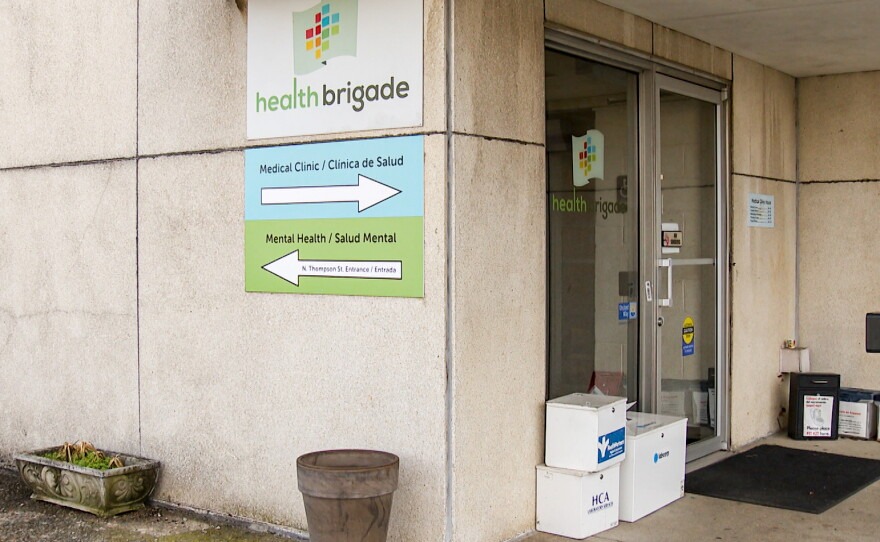
Virginia HIV Service Providers Call on General Assembly to Restore Ryan White Part B Funding in Final State Budget
Jason McDonald
Jul 6, 2026
Virginia's HIV service providers are urging state legislators to reinstate critical Ryan White Part B funding ahead of the final budget approval.
A Critical Call to Action
Virginia's HIV service providers are making an urgent plea to the General Assembly: restore Ryan White Part B funding in the state's final budget. This crucial program, which supports essential HIV care and treatment services across the Commonwealth, faces a funding gap that could impact thousands of Virginians living with HIV.
Ryan White Part B funding represents a lifeline for many residents, providing support for treatment, prevention, and wraparound services through a network of dedicated providers and community organizations. The proposed budget cuts threaten to undermine years of progress in HIV care coordination, medication access, and patient support services that have helped countless individuals achieve better health outcomes.
What's at Stake
The funding shortfall isn't just a budget line item—it's about real people and real services. When programs lose resources, they lose the ability to:
Provide comprehensive HIV treatment and medication management
Offer case management and care coordination
Support mental health and substance use services
Deliver prevention and testing programs
Assist patients with insurance navigation and emergency financial assistance
Connect individuals to housing and social services
These wraparound services are what allow people living with HIV to not only survive, but thrive. They keep people in care, improve medication adherence, and reduce hospitalizations—all while lowering the overall cost of care.
Why Now Matters
The timing of this budget discussion is particularly significant. After years of pandemic-related disruptions to healthcare systems, HIV service providers have worked tirelessly to rebuild continuity of care and strengthen their programs. A funding cut would reverse that momentum and create a step backward in public health progress.
Moreover, Virginia continues to see new HIV diagnoses each year. Young people, communities of color, and other disproportionately affected populations still need access to prevention services, testing, and care. Reducing funding sends the wrong message about the state's commitment to eliminating HIV transmission and supporting those already living with the virus.
The Provider Perspective
Virgin's HIV service organizations have been vocal about the impact these cuts would have on their ability to operate. Providers emphasize that this funding isn't duplicative or excessive—it's carefully allocated to fill gaps in federal funding and serve populations that might otherwise fall through the cracks.
Many providers have already weathered budget constraints and operational challenges. Asking them to do more with less isn't sustainable, and it puts both staff and clients in difficult positions. Staff burnout is real, and reduced funding means reduced capacity to help people who need it most.
A Proven Investment
Restoring Ryan White Part B funding isn't a nice-to-have; it's an investment in public health and fiscal responsibility. When people living with HIV have access to consistent care, treatment outcomes improve dramatically. People who maintain regular treatment can achieve and maintain an undetectable viral load, which means they cannot sexually transmit HIV to others—a game-changing prevention tool.
Failing to fund these services actually costs the state more in the long run through emergency room visits, hospitalizations, and lost productivity. Prevention and early intervention are always more cost-effective than crisis management.
What Advocates Are Asking
HIV service providers and their allies are calling on General Assembly members to:
Prioritize Ryan White Part B funding in the final state budget
Recognize the essential role these programs play in Virginia's public health infrastructure
Support the providers and staff who dedicate their careers to HIV care and prevention
Commit to sustainable, predictable funding that allows for long-term program planning
Moving Forward
As the General Assembly heads into final budget negotiations, this conversation about HIV funding is a crucial one. It reflects broader questions about Virginia's commitment to public health, health equity, and supporting some of the state's most vulnerable residents.
The outcome will send a message about whether Virginia values the work being done to combat HIV, support those living with the virus, and prevent new infections. Service providers are hopeful that lawmakers will listen to the evidence, hear from their constituents, and make the decision to restore this vital funding.
The conversation isn't over. Advocates, providers, and community members continue to engage with the General Assembly to make the case for restoration. If you care about HIV prevention and care in Virginia, now is the time to make your voice heard—whether by contacting your representatives, sharing your story, or supporting advocacy efforts in your community.